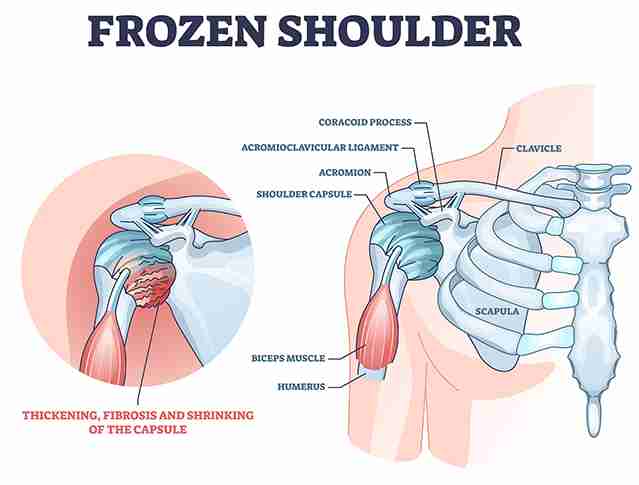
Doctors typically start with conservative treatments for frozen shoulder, such as nonsteroidal anti-inflammatory drugs (NSAIDs) to manage pain and swelling, along with corticosteroid injections to temporarily reduce inflammation in the joint capsule. These approaches can offer short-term relief but do not address the underlying scar tissue that causes stiffness.
If the condition does not improve with medication and physical therapy, doctors may recommend manipulation under anesthesia (MUA) — where the patient is sedated, and the shoulder is gently forced through a range of motion to break up adhesions. Another option is arthroscopic capsular release, a minimally invasive surgical procedure where the tight, thickened tissue around the joint is carefully cut to restore mobility.
While these treatments can be effective, they often come with risks, extended recovery times, and high costs, leading many people to explore natural alternatives that support the body’s own healing processes before resorting to invasive procedures.
Want to speak with one of our Frozen Shoulder Specialist’s? Call us at 1- 877-404-8804..

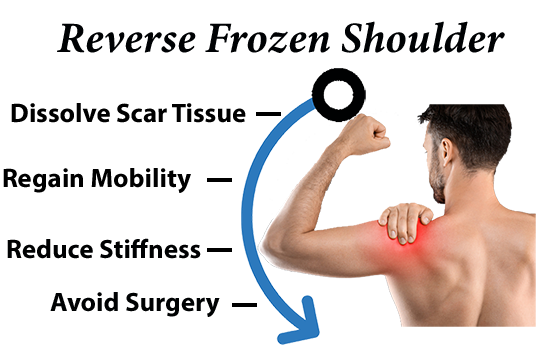
For those struggling with the pain and stiffness of frozen shoulder, doctors often recommend prescription medications like pain relievers or corticosteroid injections, and in more severe cases, surgery to cut through scar tissue. While these approaches can sometimes provide temporary relief, they don’t address the underlying cause of the condition — excessive fibrin and adhesions that restrict movement. This is where systemic enzymes like serrapeptase and nattokinase offer a powerful, natural alternative.
When taken on an empty stomach, these enzymes enter the bloodstream and target the excess fibrin and scar tissue responsible for the shoulder’s tightness and pain. Serrapeptase helps break down damaged tissue and inflammation-causing proteins, while nattokinase supports healthy circulation and fibrin breakdown, promoting better blood flow and healing. By working with your body’s natural processes instead of against them, systemic enzymes provide a safe, non-invasive way to improve mobility, reduce discomfort, and avoid the risks and recovery time of drugs or surgery.
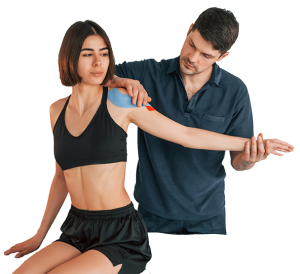
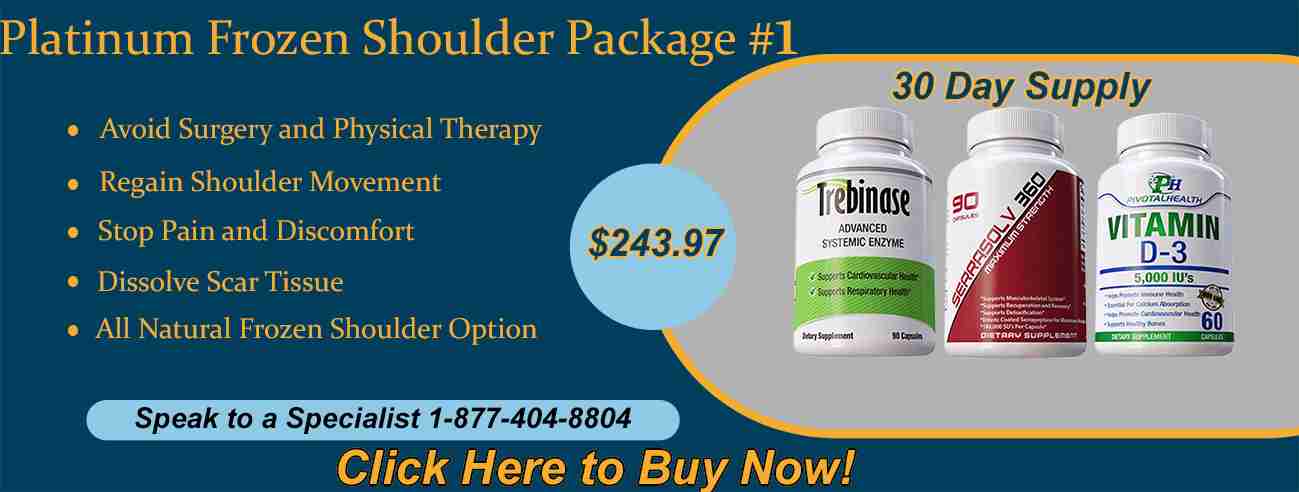
Trebinase and Serrasolv 360 offer a natural, non-invasive approach to supporting frozen shoulder recovery by addressing the root cause of stiffness and limited mobility — excess fibrin and scar tissue buildup. These premium systemic enzyme formulas contain powerful ingredients like serrapeptase and nattokinase, which work in the bloodstream to break down fibrous adhesions, support healthy circulation, and promote a balanced inflammatory response. Unlike medications that simply mask pain or surgeries that carry risks and long recovery times, systemic enzymes help the body restore normal function naturally, without side effects or downtime.
Trebinase provides a broad-spectrum blend ideal for overall joint health and inflammation balance, while Serrasolv 360 delivers maximum-strength fibrin breakdown for stubborn, long-term frozen shoulder cases. Together, they form a comprehensive solution that supports faster recovery, improved range of motion, and lasting shoulder comfort, helping you get back to moving freely and living without the constant frustration of frozen shoulder.
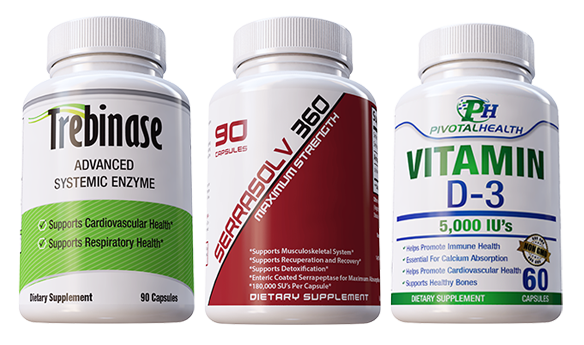 Adding Vitamin D3 (5,000 IU) to your daily routine alongside Trebinase and Serrasolv 360 can supercharge your results when addressing frozen shoulder. Vitamin D3 plays a vital role in bone, joint, and muscle health, helping your body absorb calcium and maintain strong, flexible tissue. It also supports a balanced immune and inflammatory response, which is crucial when dealing with the stiffness and irritation caused by frozen shoulder.
While Trebinase and Serrasolv 360 focus on breaking down excess fibrin and scar tissue to restore mobility, Vitamin D3 works behind the scenes to nourish and strengthen the shoulder joint, ensuring that as the tissue clears, it can heal properly. Many people are deficient in Vitamin D without realizing it, which can slow down recovery and contribute to ongoing joint discomfort. By combining systemic enzymes with adequate Vitamin D3, you give your body the tools it needs to reduce stiffness, improve range of motion, and support long-term shoulder health — naturally.

“Frozen shoulder pain was ruining my sleep. I would wake up several times a night because every position hurt. I started taking Serrasolv 360 in the morning and Trebinase later in the day, and within a few weeks, I could finally sleep through the night again. My shoulder feels looser every day, and I can already tell a huge difference in my daily comfort. “
– Danielle H. 
“I had been through months of physical therapy with slow progress. Adding Trebinase and Serrasolv 360 was a game-changer. My therapist even commented on how much faster I was improving once I started the enzymes. Now, not only is my shoulder feeling better, but I’ve noticed my joints overall are less achy. I plan to keep using these products as part of my wellness routine.”
– Paul W .
“Before my frozen shoulder, I was very active — hiking, swimming, and playing with my grandkids. But once the pain set in, even simple things like putting on a jacket became a struggle. I felt like I was losing my independence. A friend recommended Trebinase and Serrasolv 360, so I decided to give them a try before committing to steroid shots. After about two months, the difference was incredible. I can move freely again, the stiffness is almost gone, and I’m back to doing the activities I love. These products gave me my life back!”
– Linda M.